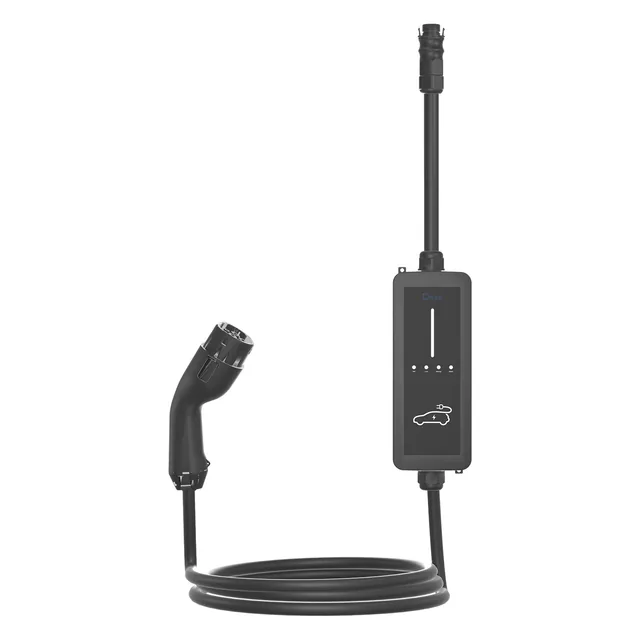
 EV Charger11kW AC EV Charger
SUN-EVSE11K01-AC
incl. GST


 The pinnacle in energy solutions
Everest Energy sells two Deye AC EV chargers, an 11 kW model and a 22 kW model. Each page has a charging-speed check for your car and your power supply.
Seen it cheaper? Tell us before you order. Conditions
EV Charger11kW AC EV ChargerSUN-EVSE11K01-AC
EV Charger22kW AC EV ChargerSUN-EVSE22K01-AC
Everest Energy sells 2 Deye EV chargers. Each model number links to its page, with the price, specifications and Deye’s documents.
| Model | Single phase | Three phase | Ordering |
|---|---|---|---|
| SUN-EVSE11K01-AC | Up to 3.5 kW | Up to 11 kW | Order online |
| SUN-EVSE22K01-AC | Up to 7 kW | Up to 22 kW | Order online |
The SUN-EVSE11K01-AC charges at up to 3.5 kW on a single-phase supply and up to 11 kW on three phase. The SUN-EVSE22K01-AC charges at up to 7 kW on a single-phase supply and up to 22 kW on three phase. Your car’s onboard charger sets the limit; each page has a charging-speed check.
No. On its own the charger joins your Wi-Fi and you control it in the Deye Cloud app. With a Deye hybrid inverter and a Deye Smart TX, the inverter controls it over LoRa and it can charge from your solar. With a string inverter or microinverter, including other brands, a Deye Wireless CT in your switchboard enables solar-only charging.
Yes, in Solar energy only mode. With a Deye hybrid inverter, charging starts once your home battery reaches 99% and stops if it falls below 95%, so the house keeps its storage. While charging it never drops below 6 A, the minimum for AC charging, so when the sun dips the difference comes from your battery or the grid.
Yes. It is rated IP66 and works from −40 to +55 °C. Deye recommends a spot out of direct sunlight with good airflow, away from bedrooms and living areas, because it makes some noise while charging.
A dedicated circuit with a circuit breaker and a 30 mA Type A RCD. The charger already detects 6 mA DC leakage, but Deye requires the RCD as well. Your electrician sizes the cable and protection to the Australian wiring rules and checks your network’s rules for EV chargers.
Prices are in Australian dollars and include GST. Free delivery on inverter or battery orders. Delivery is quoted for parts-only orders. Installation is separate.
Yes. Leave an enquiry and we’ll get back to you within a day. You can also have an electrician design the system for you.
All Deye Accessories & System Parts
Use the Designer to put an inverter, batteries and bases together.